Carrasco: A Garden of Elegance and Tranquility on the Río de la Plata
A Story That Begins in 1726
The Carrasco neighborhood in Montevideo, Uruguay, is a place where elegance and tranquility meet in a privileged natural setting. Its history dates back to 1726, when Sebastián Carrasco, born in Buenos Aires and uncle of José Gervasio Artigas, was granted land in this newly founded area. The land lay beside a stream that would eventually bear his name: Arroyo Carrasco. Although the region was little more than countryside at the time, this land grant planted the seeds of what would later become one of Montevideo’s most luxurious neighborhoods.
Alfredo Arocena’s Dream and the Birth of the Carrasco Seaside Resort
Almost two centuries later, in 1906, Alfredo Arocena, inspired by his travels in Europe, envisioned a neighborhood by the sea, among the fine sand dunes and wetlands. Together with other businessmen, Arocena founded the “Balneario de Carrasco Sociedad Anónima” and commissioned the renowned landscape architect Charles Thays to design the new resort. Thays, famous for his work on the Buenos Aires Botanical Garden and Parque San Martín in Mendoza, designed a garden neighborhood that blended European elegance with the natural beauty of the region.
The Iconic Hotel Carrasco
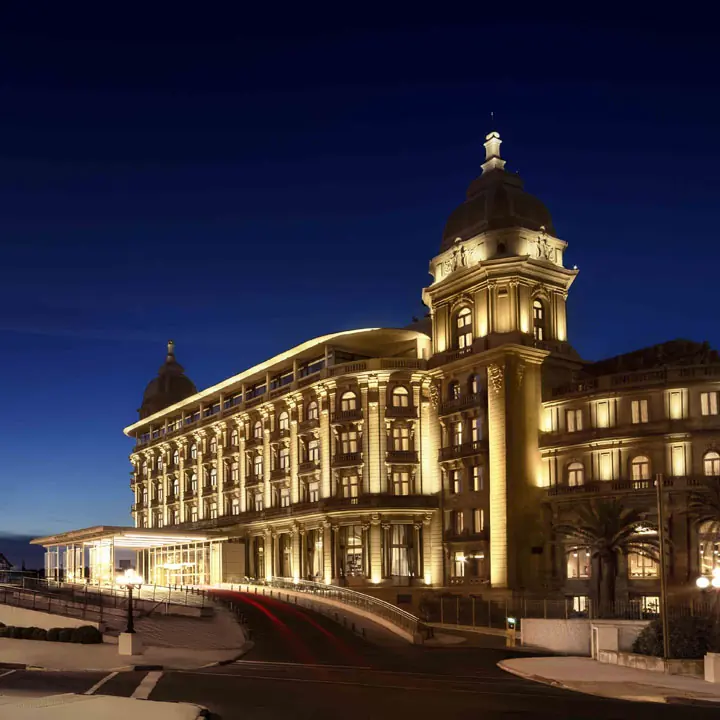
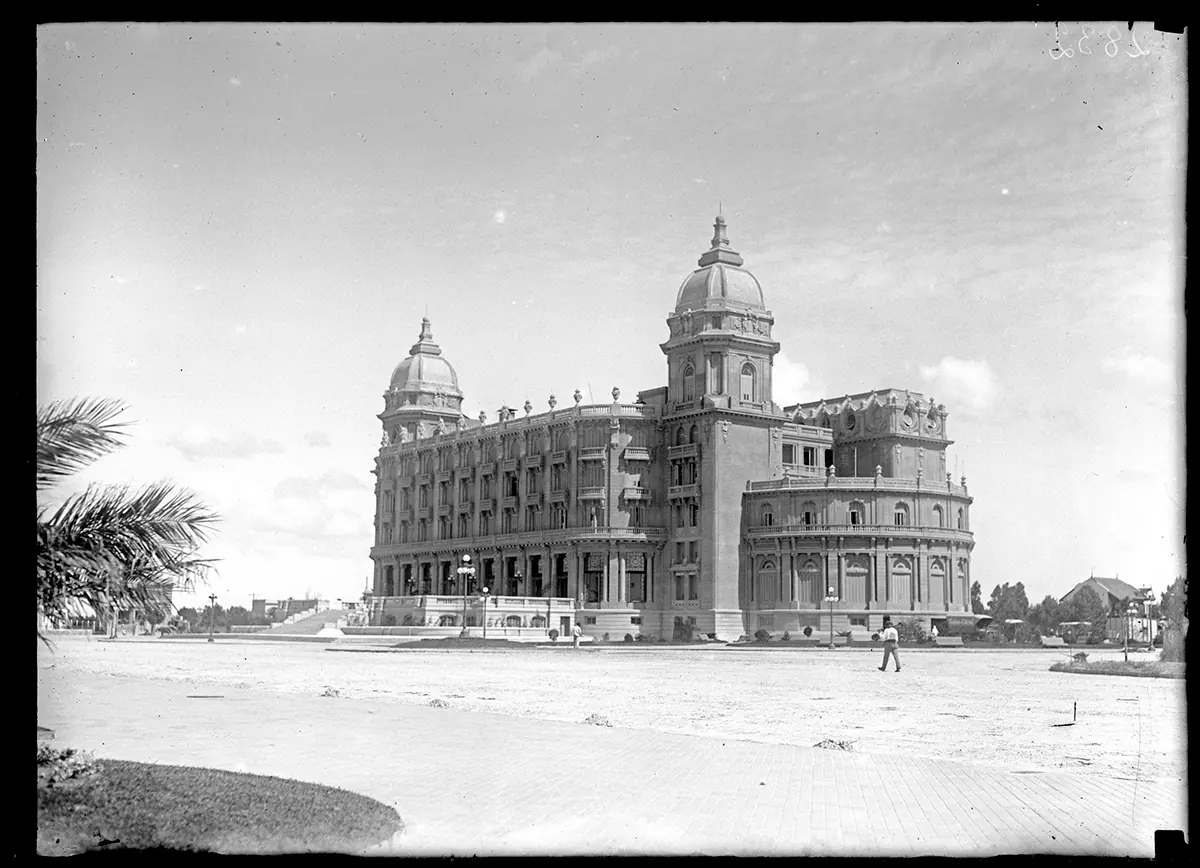
Construction of the Hotel Carrasco, one of the neighborhood’s best-known symbols, began in 1912. The majestic building was commissioned by the “Balneario de Carrasco Sociedad Anónima”, the same company founded by Alfredo Arocena and other visionary businessmen to develop the neighborhood. The idea was to create a luxury hotel that would become the social center of the new resort, attracting high society from Montevideo and nearby Buenos Aires. The design was entrusted to French architects Jacques Dunant and Gaston Mallet, who chose a neoclassical style evoking the elegance and refinement of the grand European hotels of the time.
Construction, however, dragged on until 1921 because of a series of financial and logistical challenges. World War I hit the global economy and complicated the import of building materials from Europe. Despite these setbacks, the Hotel Carrasco opened its doors in February 1921 and quickly became the epicenter of Carrasco’s social and cultural life and a landmark for the whole region.
A Stroll Through Carrasco Today
Today Carrasco is known for its quiet, tree-lined streets, its impressive luxury mansions and its vibrant social and commercial life. The main avenue, Arocena (formerly Juan Ferreira), is the heart of the neighborhood, with a variety of shops, charming cafés and a wide range of top-quality restaurants. The iconic Sofitel, formerly the Hotel Carrasco, remains a symbol of the neighborhood, evoking the elegance and history of times past.
Charming Corners and Historic Landmarks
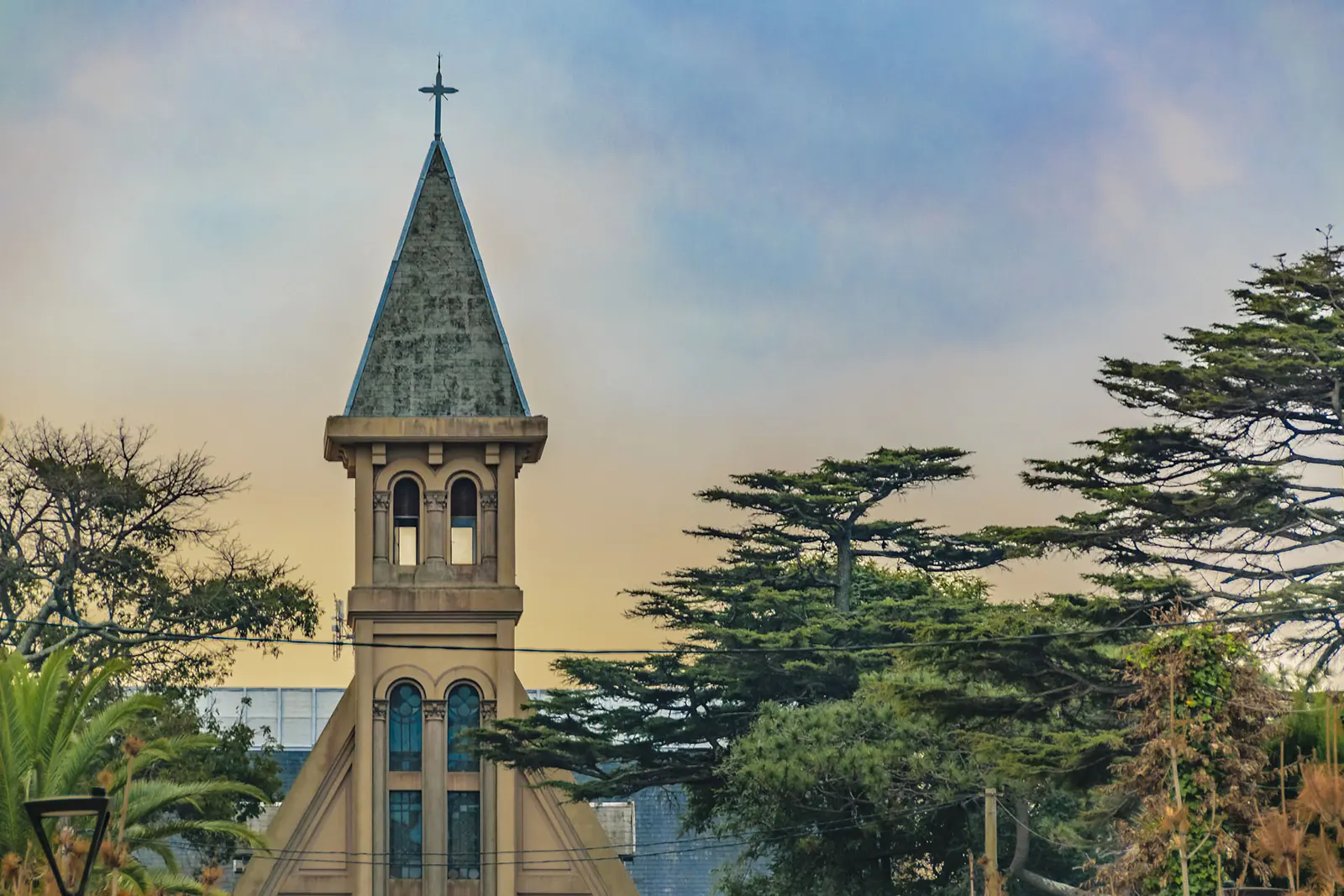
One of the most beautiful places in Carrasco is the Stella Maris church on Otero street, designed by architect Rafael Ruano in 1918 and a testament to the neighborhood’s rich architectural heritage. Rostand street, with its picturesque scenery and tranquility, is another must-see.
A few blocks from the main avenue is the tennis club, which reflects the sporty, active spirit of Carrasco’s residents.
Walks along the dunes and fishing on the beach remain popular pastimes, keeping alive the spirit of the neighborhood’s early years.
Carrasco’s Beaches: Beauty and Activity
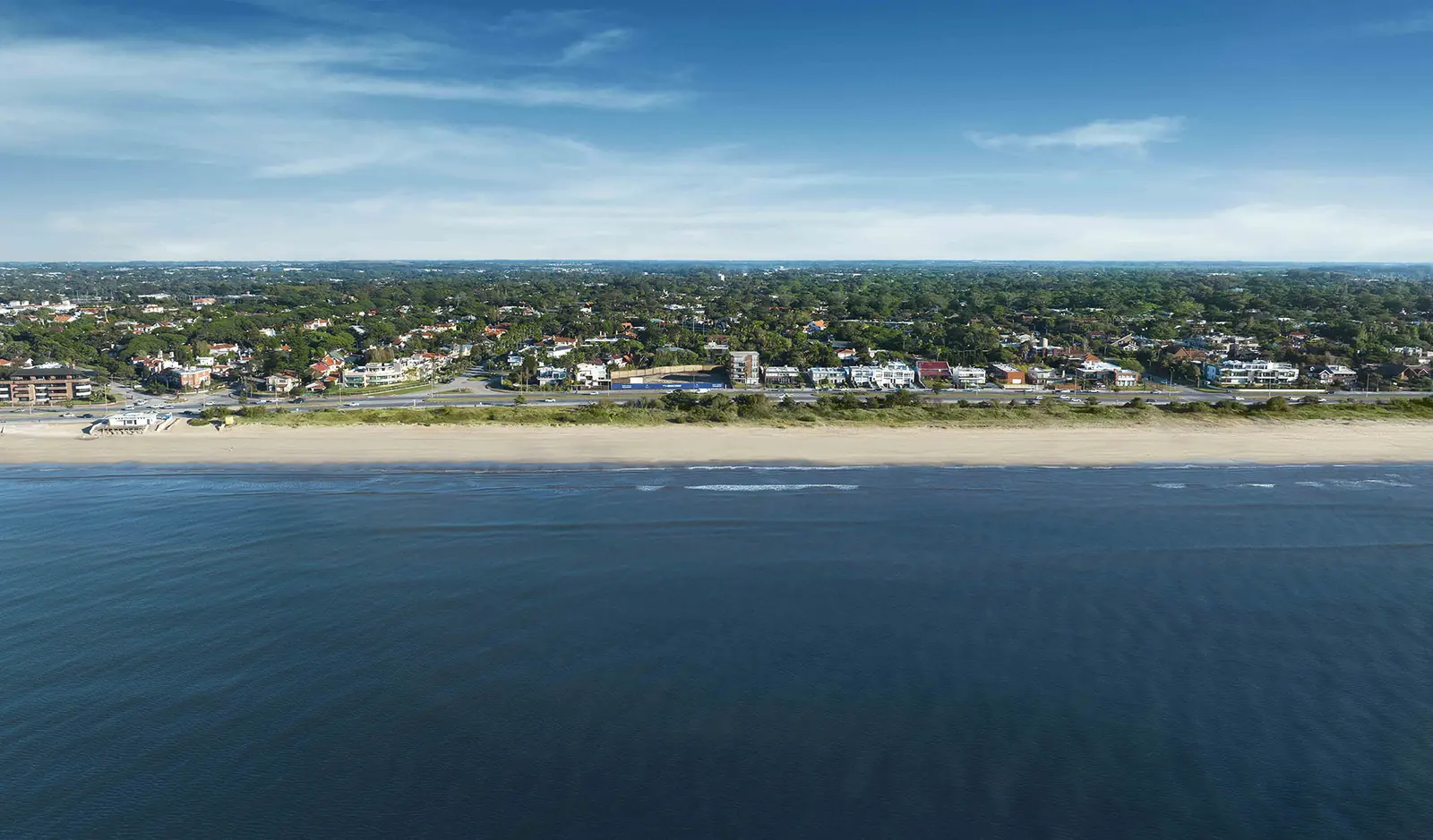
Carrasco’s beaches, on the shores of the Río de la Plata, are known for their beauty and serenity. They offer the perfect escape from city life, with soft golden sand stretching along the coast. The calm waters of the river are ideal for swimming and water sports such as windsurfing, kitesurfing and stand-up paddleboarding, while beach volleyball and beach soccer are also popular.
A Neighborhood in Evolution
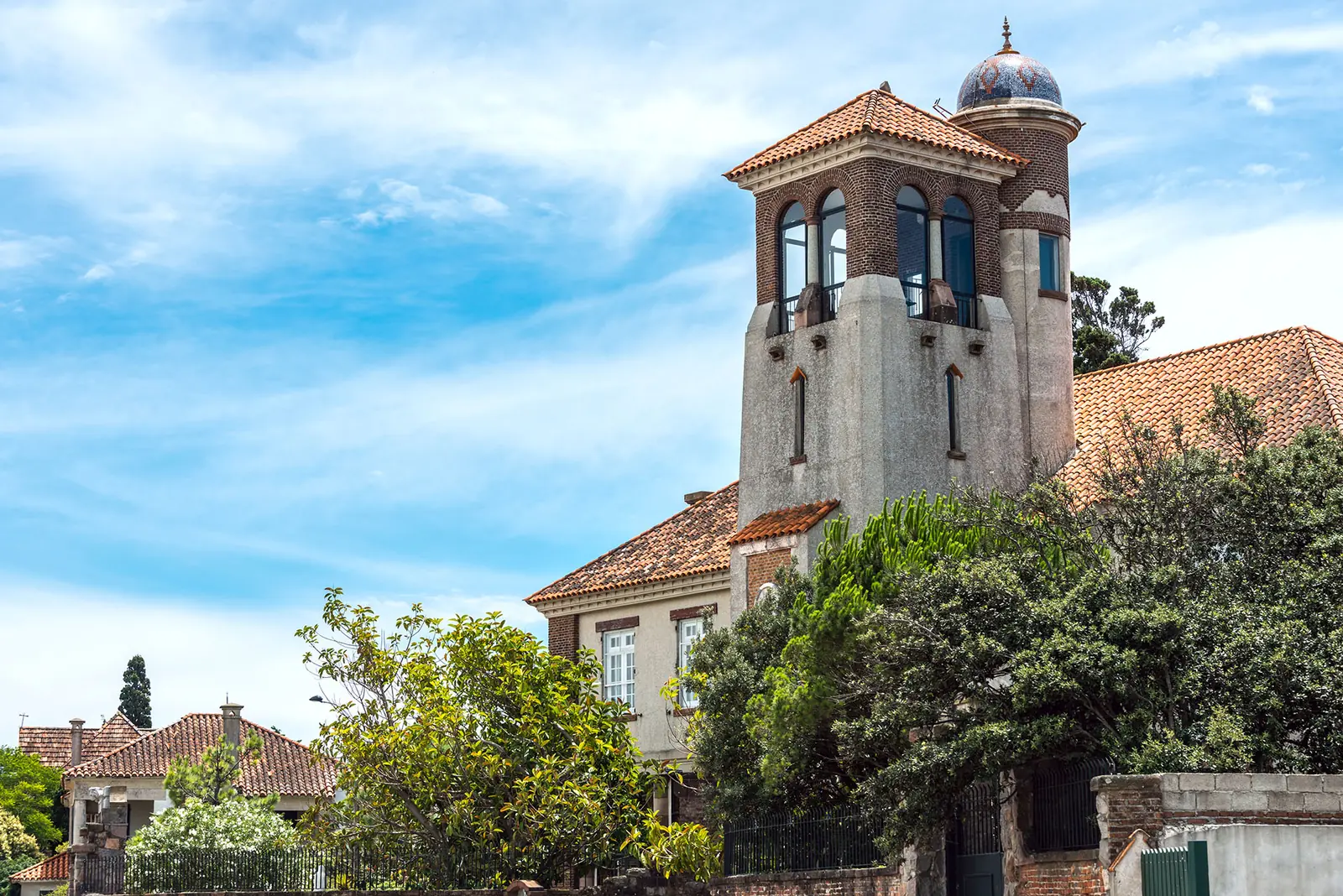
Carrasco’s first houses, built in the early 20th century, reflected a mix of European architectural influences, especially French and English. These were spacious residences with many rooms, drawing rooms and large gardens, built with local and imported materials that prioritized durability and aesthetics.
Today, modern construction in Carrasco, especially along the waterfront, represents a significant evolution in design and functionality. New buildings tend toward a contemporary style, with clean lines, large windows and harmonious integration with the natural surroundings. Modern architecture emphasizes sustainability, using eco-friendly materials and technologies to improve energy efficiency.
Carrasco has managed to preserve its essence over the years, combining history, elegance and nature in a unique way. From its origins in the 18th century to becoming Montevideo’s most luxurious neighborhood, Carrasco remains a testament to good taste and quality of life. With its blend of historic and modern architecture, first-class services and beautiful green spaces, it offers an exceptional setting both to live in and to visit.
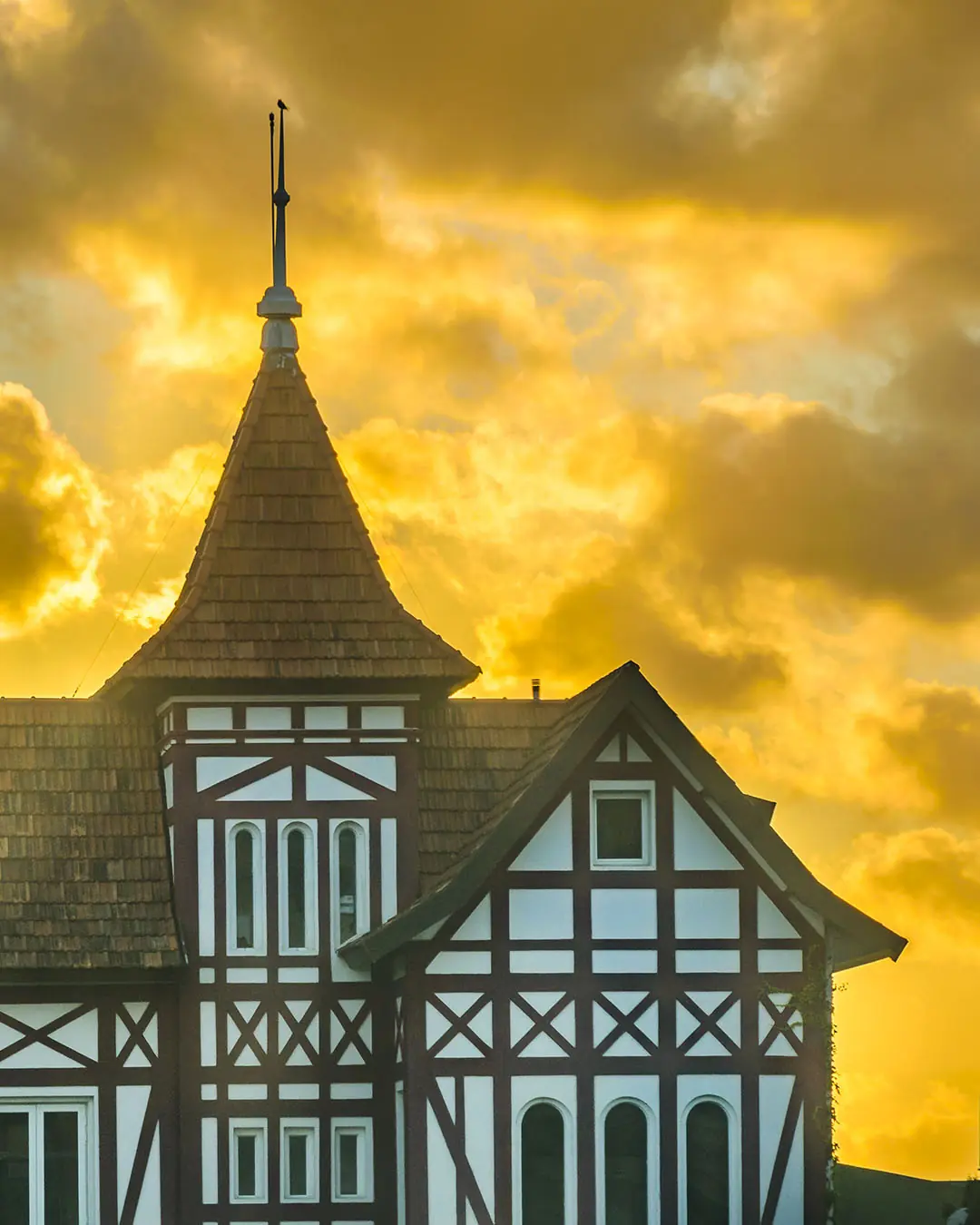
Neo-Gothic or medieval-style large residence in an upscale neighborhood of Montevideo, Uruguay