With the Sidewalks Plan (Plan Veredas) starting in November and a slate of work at Parque Rodó and Espacio Mauá, the City of Montevideo is betting on a city that is easier to explore on foot. Here is what is coming and why public space matters more and more when choosing where to live.
Walking the city
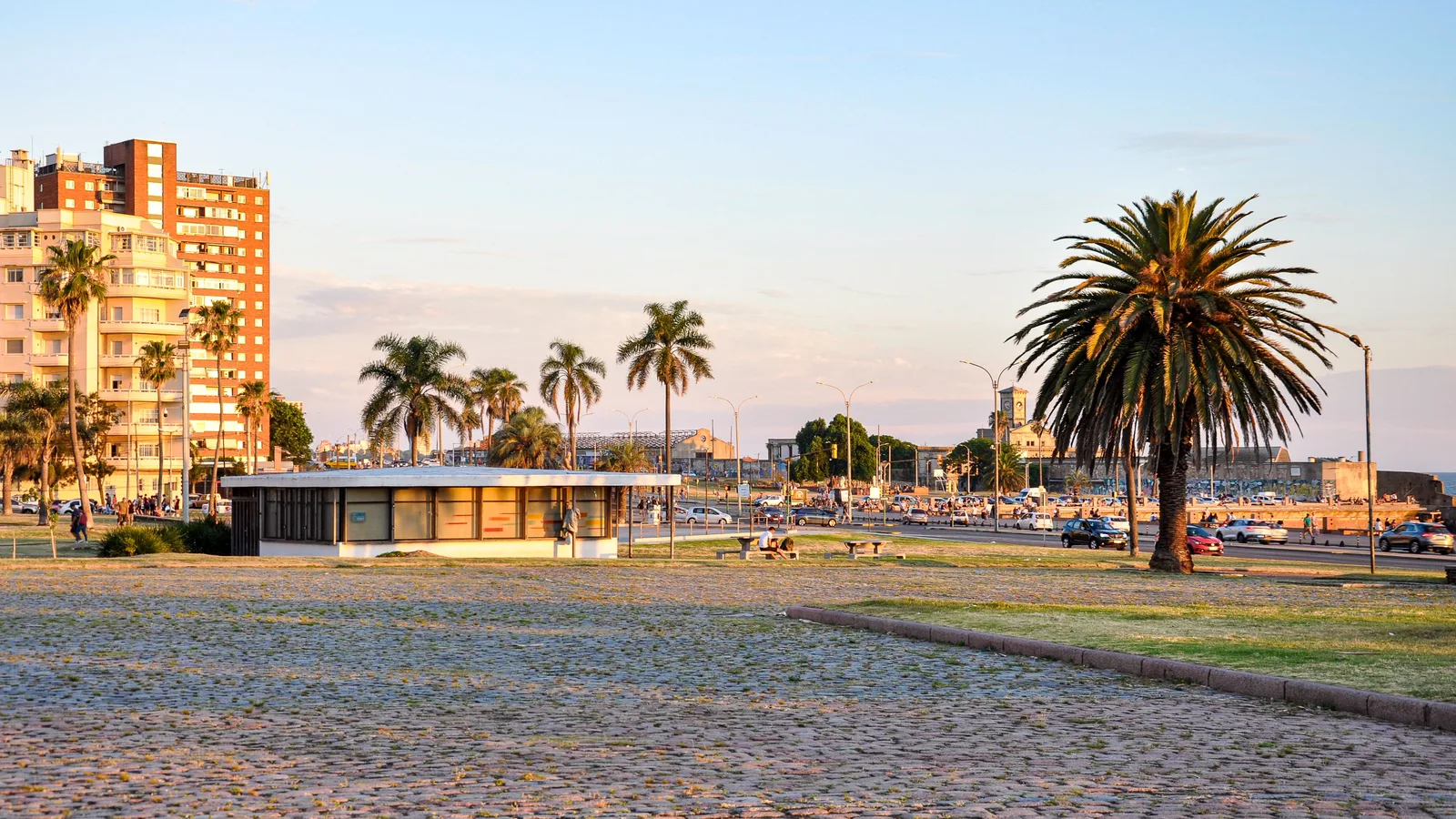
Montevideo has its own way of being lived on foot: the rambla, the historic parks, the boulevards, and the grid of streets and sidewalks. That is how Marcelo Roux, the city's director of Public Spaces, describes it in an interview with Caras y Caretas published on October 21, 2026. For Roux, the city's big differentiator is the direct relationship between neighborhoods and beaches: the places of everyday life and work sit right next to the ones historically meant for leisure.
That same week, the City of Montevideo detailed when work on its Sidewalks Plan will begin. Together, the two stories outline an agenda aimed at something simple: making walking in Montevideo more comfortable and safer.
The Sidewalks Plan: what it is and when it starts
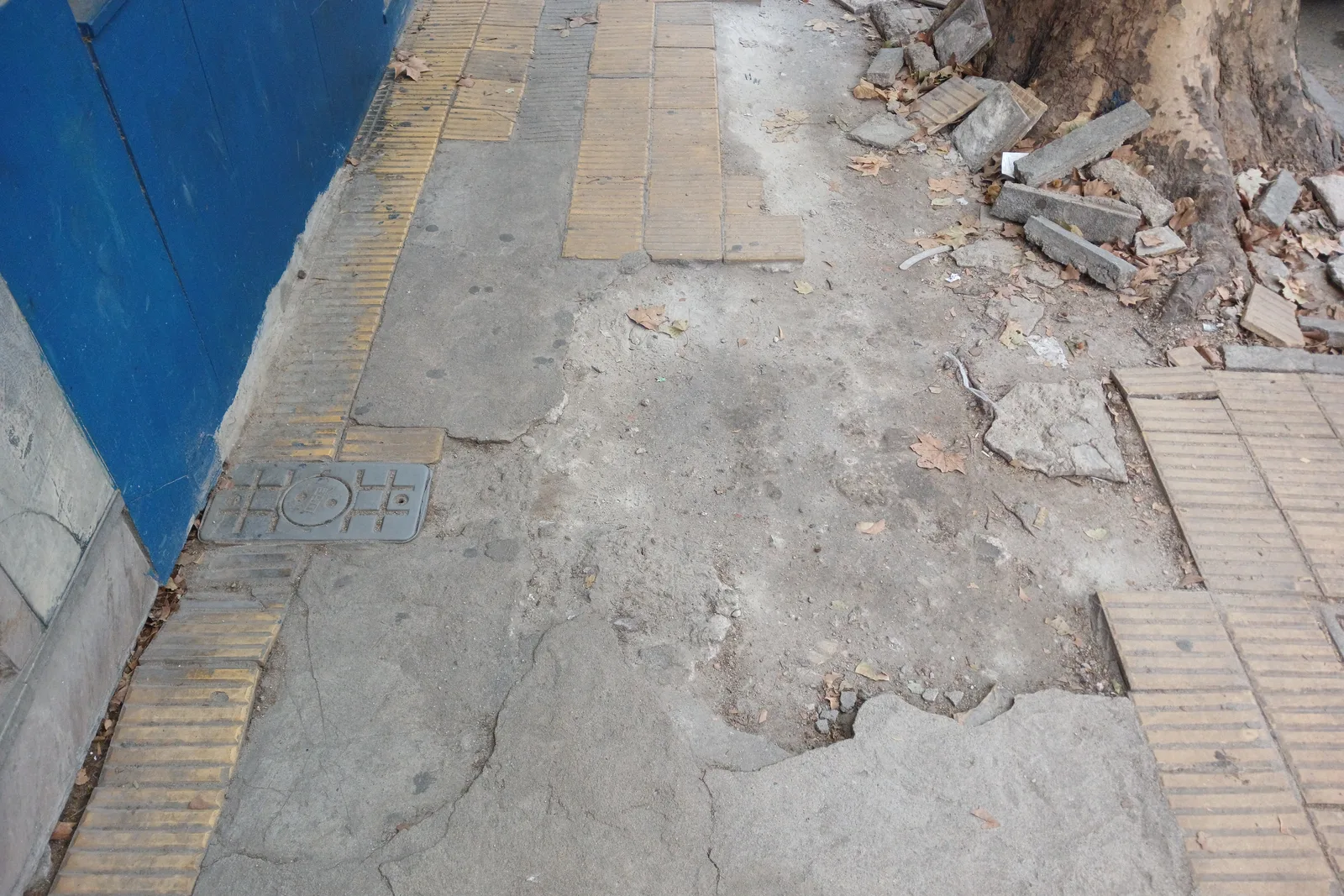
According to El País (October 21, 2026), the plan rests on three pillars: building sidewalks in informal settlements where none exist today, repairing stretches of avenues, and carrying out specific work in neighborhoods. The city expects work to begin in November. As other outlets such as El Observador reported that month, total planned investment is US$38.5 million: about US$15 million for informal settlements, US$14 million for avenues, and US$9.5 million for neighborhoods.
The rules vary by case. Where there is no sidewalk and one must be built from scratch, the city covers both the work and the cost. Where an existing sidewalk needs repair, the stretch in front of each home is the owner's responsibility. Owners will receive a notice stating the square meters to repair, excluding damage caused by street trees. They will have 10 days to go to their local community center if they want to do the work themselves, and 45 days to start it. If they do not come forward, the city is authorized to do it. El País reports that a square meter of sidewalk costs about 4,000 Uruguayan pesos.
Priority areas include Casabó, Santa Catalina, and Tres Ombúes; Casavalle and Marconi; Malvín Norte and its surroundings; Hipódromo and Piedras Blancas; and Torre 8, Verdisol, and Maldonado. On avenues, the list includes stretches of Luis Batlle Berres, Carlos María Ramírez, General Flores, Instrucciones, Aparicio Saravia, Camino Carrasco, Mataojo, and César Mayo Gutiérrez.
Parque Rodó: new paving and more green
In Caras y Caretas, Roux organizes the work into four lines: caring for, transforming, creating, and programming public spaces. The city maintains about 1,000 hectares of green space.
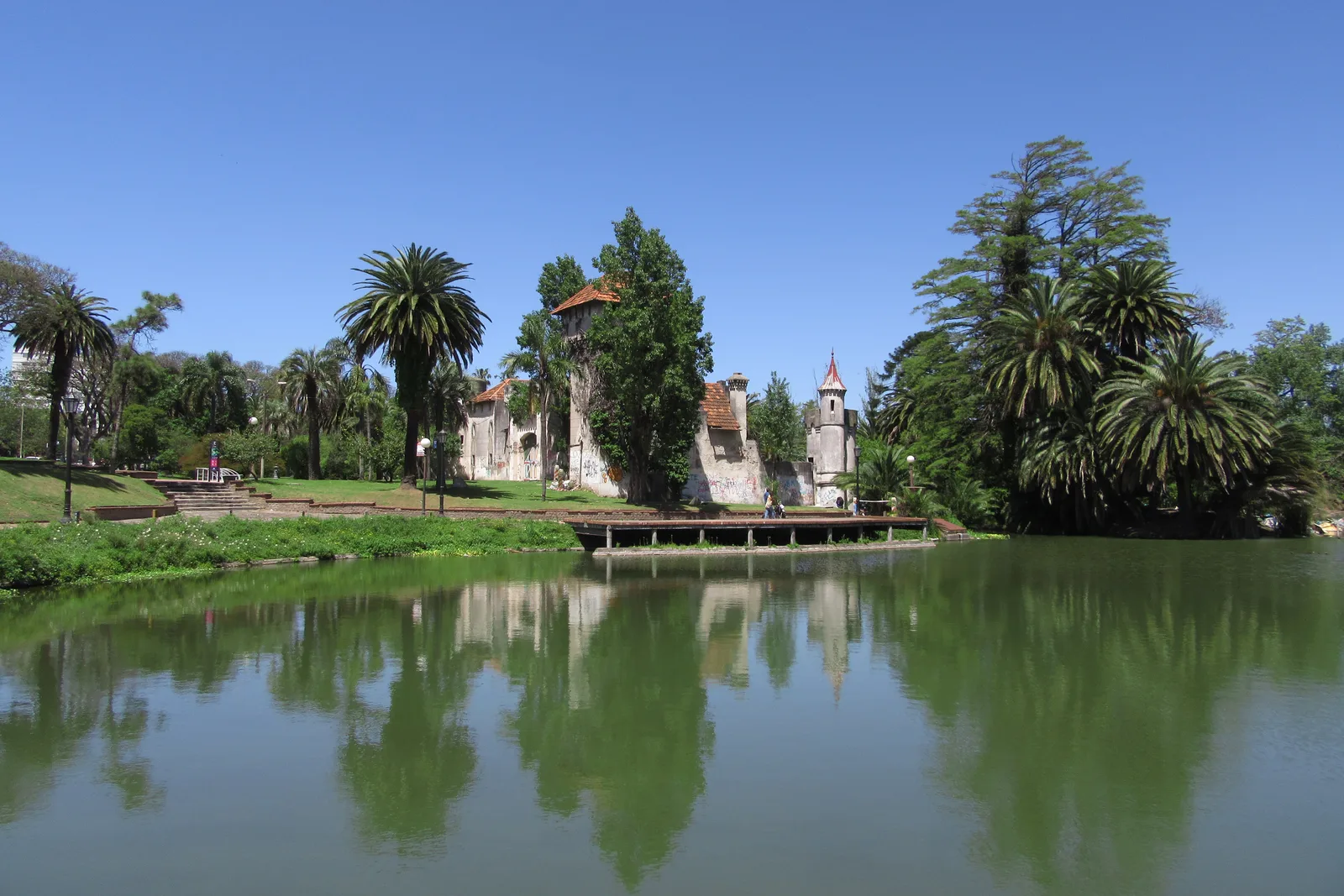
On the transformation side, the most visible project is Parque Rodó, one of the city's most visited parks. A red palm weevil infestation forced the removal of many dead palms, and the paths have problems. The planned public tender covers renewing about 30,000 m² of paving, expanding green areas, working on the area around the lake, where a kind of amphitheater is planned, and upgrading the pavilions. The lighting has already been renewed, and the plan adds trees, shrubs, herbaceous species, and playground improvements. In the Prado, the city also plans to restore the Rose Garden, which today keeps about 50 of the more than 300 rose varieties it had in the early 20th century.
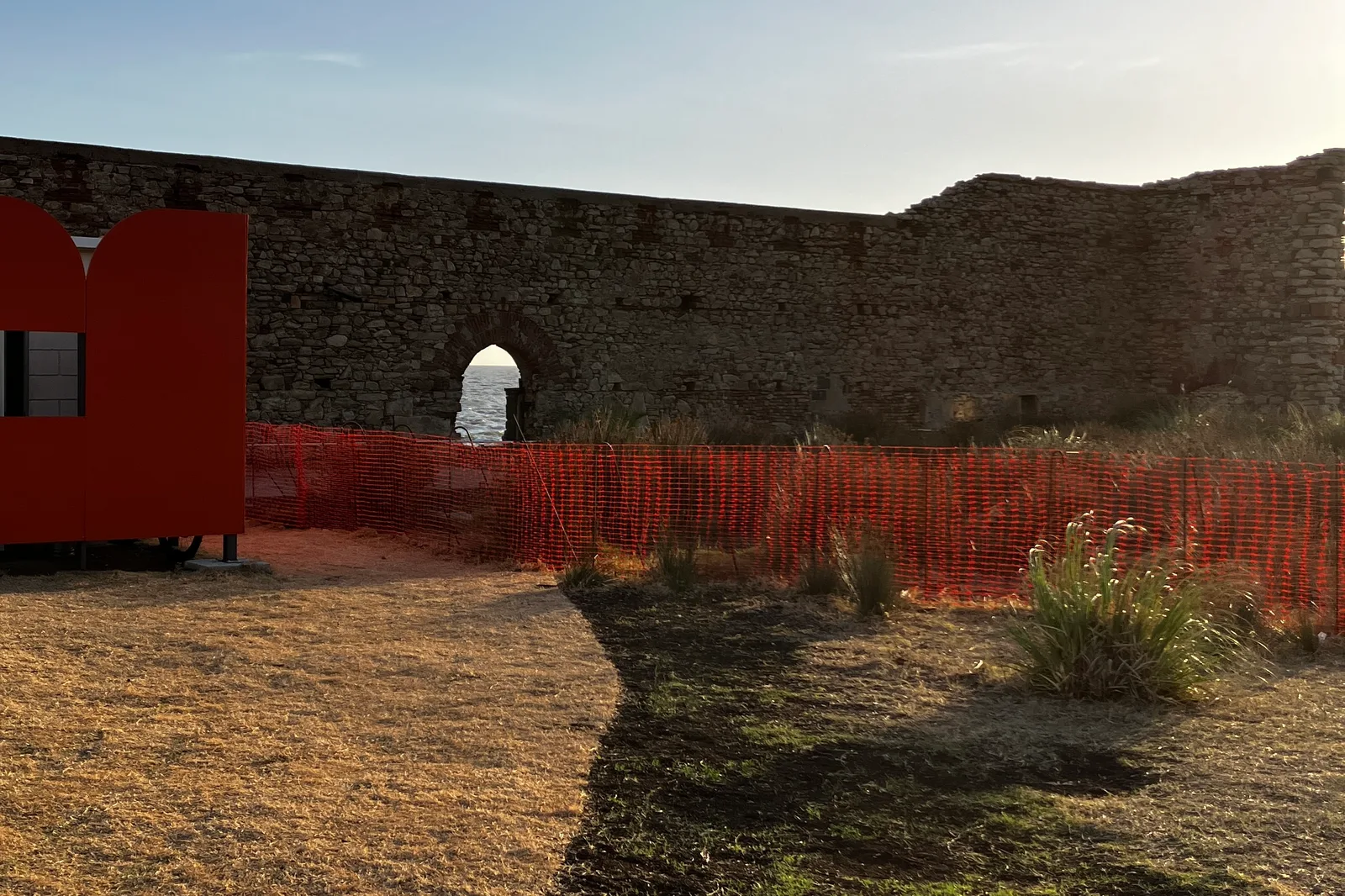
Espacio Mauá, part of Montevideo's industrial heritage, was closed for a long time. According to Roux, its recovery is designed as a gradual process. The first phase opened the site with safety measures, fencing to guide visitors, and a photo gallery about its history. The second phase, now underway, includes repairing the outer wall, restoring two buildings (one of them for a food and beverage concept not yet defined), and adding proper restrooms.
The goal, he explains, is for Montevideo to gain a new place with access to the horizon and the water. Along the 22 kilometers of rambla, there are few spots like it, with less traffic noise and a closer connection to the river.
Why it matters when choosing where to live
For Roux, a public space truly exists when people use it: they exercise there, eat, study, and even work. He also notes that maintaining and improving central parks aims to bring more people back to live in those areas.
For anyone looking for a home in the coastal neighborhoods, the quality of the rambla, parks, and sidewalks is part of daily life: going for a run, walking to a café, or taking the kids to the park. There are no figures measuring how much each project adds to a property's value, but surroundings are increasingly one of the criteria people use to choose a neighborhood.
If you are thinking about moving to or investing in Montevideo and want to know how each neighborhood feels day to day, Blk. Realty is here to help.
Blk. Realty · Uruguay
Sources
El País, "Plan Veredas en Montevideo: jerarca detalló cuándo comienzan las obras para hacer la ciudad más caminable," October 21, 2026: https://www.elpais.com.uy/informacion/servicios/plan-veredas-en-montevideo-jerarca-detallo-cuando-comienzan-las-obras-para-hacer-la-ciudad-mas-caminable
Caras y Caretas, interview with Marcelo Roux, October 21, 2026: https://www.carasycaretas.com.uy/entrevistas/del-parque-rodo-al-maua-proyectos-transformar-espacios-publicos-montevideo-n100379
El Observador, "Plan Veredas: la IM invertirá US$ 38,5 millones…," October 2, 2026: https://www.elobservador.com.uy/nacional/plan-veredas-la-im-invertira-us-385-millones-y-los-vecinos-podran-financiar-los-arreglos-10-anos-n6059176